



Instructions and Guides

Laser cutter vs traditional leatherworking tools
A laser cutter replaces about half the tools a traditional leatherworker uses: cutting tools, hole punches, marking tools, and pattern transfers. It does not replace the rest: finishing tools, hardware...

How to laser cut cast acrylic cleanly (the chec...
A clean cast acrylic cut has a glass-like flame-polished edge that needs no post-processing. Getting there is a five-item checklist: clean optics, correct focus, the right power and speed, masking...

Hat patches that actually adhere: TPU iron-on g...
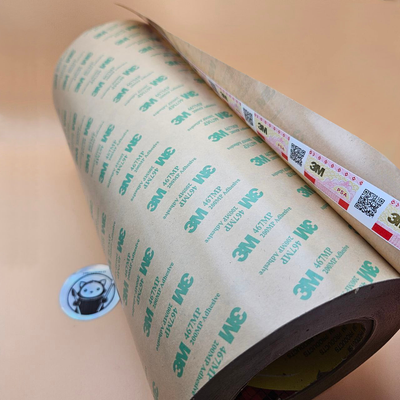
A hat patch that peels after one wash is a refund. The fix is almost always surface prep, not the adhesive. Our leatherette ships with TPU melt adhesive built into...

Snaps, rivets, eyelets for leatherette projects
PU leatherette uses the same hardware as real leather: snaps, rivets, eyelets, magnetic clasps, screwposts. Laser cutting gives you precise holes in exact positions, which makes installation faster and the...

Burnishing and finishing leatherette edges (lea...
A laser-cut PU leatherette edge is clean but flat-looking. Traditional leatherworking edge techniques (burnishing, edge paint, slicking) add a finished feel that customers read as "premium" and "handmade". This article...

Best glues for acrylic: solvent welding, CA, ep...
For most acrylic-to-acrylic joints, solvent welding (water-thin methylene-chloride-based cement) is the strongest, cleanest, and most invisible option. Cyanoacrylate (CA) glue is faster but shows a hazy line. Epoxy is the...