


MAKE EARRINGS
Cut earrings. Love them
Tested materials, free design tools, and beginner guides. Everything you need to cut your first pair, or your hundredth.
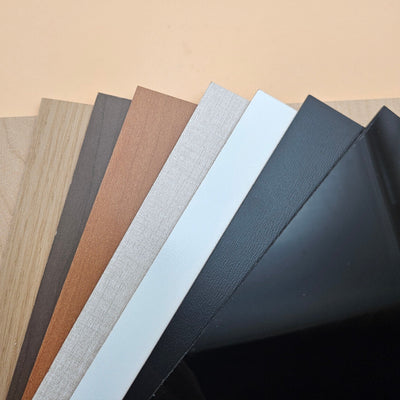
Choosing your earring material


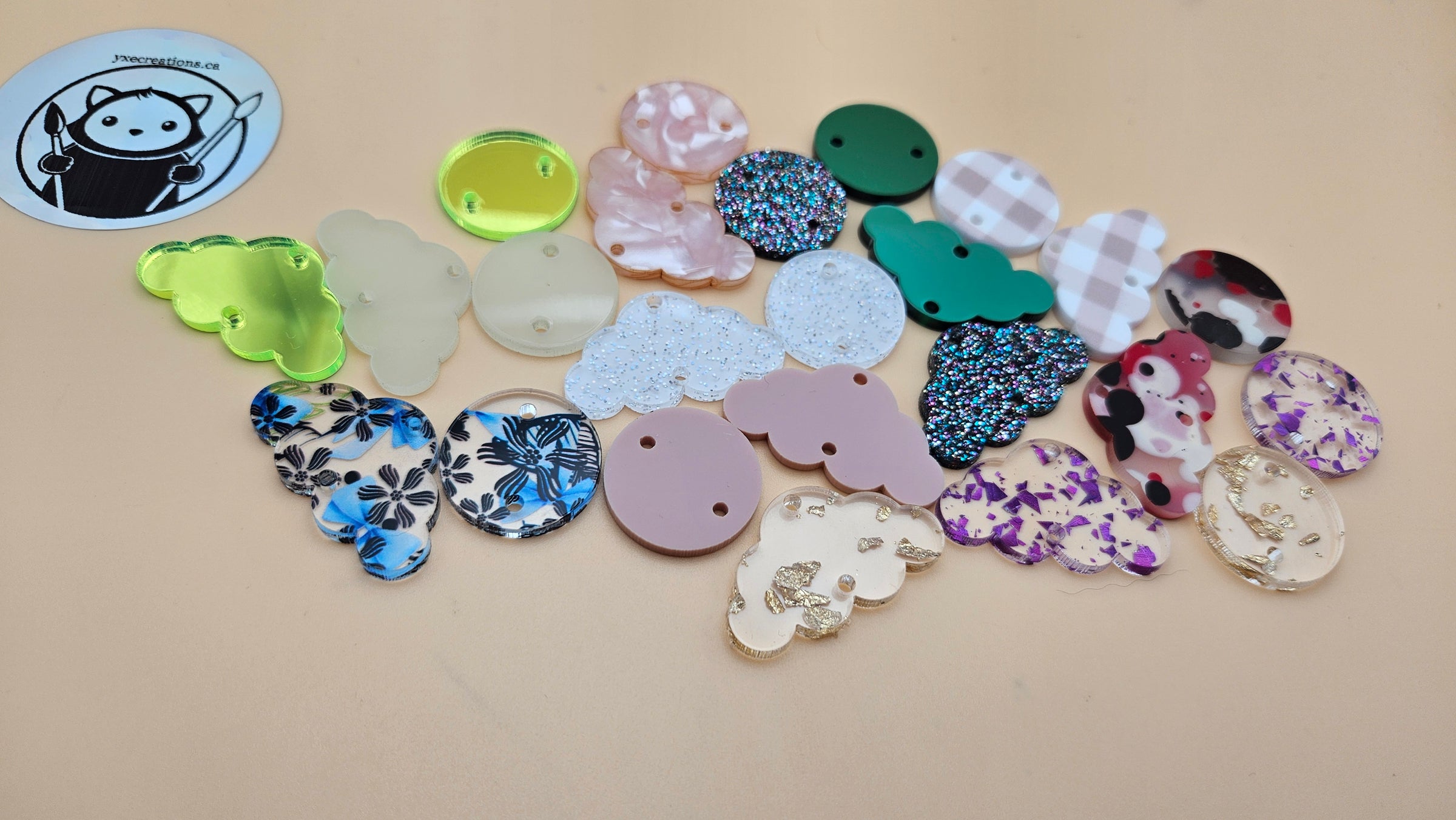
MAKE IT UNIQUE
DISCOVER YOUR NEXT PROJECT




 Clear Acrylic Sheet - Gold Foil Flakes
$16.00
Clear Acrylic Sheet - Gold Foil Flakes
$16.00
 Dual-Finish Pastel Acrylic Sheet - Dusty Rose Blush
$6.00
Dual-Finish Pastel Acrylic Sheet - Dusty Rose Blush
$6.00
 Brushed Gold - Engraves Black - Leatherette Sheet – PU Material
$8.00
Brushed Gold - Engraves Black - Leatherette Sheet – PU Material
$8.00
 Rawhide - Engraves Black - Glossy Leatherette Sheet – PU Material
$8.00
Rawhide - Engraves Black - Glossy Leatherette Sheet – PU Material
$8.00
 Free tool
Free earrings makerDesign custom earrings with various shapes, chained elements
Free tool
Free earrings makerDesign custom earrings with various shapes, chained elements


Mirror Acrylic Sheet - Gold
Regular price
$16.00 CAD
Regular price
Sale price
$16.00 CAD
Mirror Acrylic Sheet - Silver
Regular price
$16.00 CAD
Regular price
Sale price
$16.00 CAD
Mirror Acrylic Sheet - Red - 2.6 mm
Regular price
$16.00 CAD
Regular price
Sale price
$16.00 CAD
Mirror Acrylic Sheet - Light Green - 2.6 mm
Regular price
$16.00 CAD
Regular price
Sale price
$16.00 CAD
Mirror Acrylic Sheet - 2-Way Mirror - See Through - 2.6 mm
Regular price
$16.00 CAD
Regular price
Sale price
$16.00 CAD
Mirror Acrylic Sheet - Light Blue - 2.6 mm
Regular price
$16.00 CAD
Regular price
Sale price
$16.00 CAD
Mirror Acrylic Sheet - Rose - 2.6 mm
Regular price
$16.00 CAD
Regular price
Sale price
$16.00 CAD
Mirror Acrylic Sheet - Purple - 2.6 mm
Regular price
$16.00 CAD
Regular price
Sale price
$16.00 CAD
Mirror Acrylic Sheet - Pink - 2.6 mm
Regular price
$16.00 CAD
Regular price
Sale price
$16.00 CAD
Mirror Acrylic Sheet - Blue - 2.6 mm
Regular price
$16.00 CAD
Regular price
Sale price
$16.00 CAD
Mirror Acrylic Sheet - Black - 2.6 mm
Regular price
$16.00 CAD
Regular price
Sale price
$16.00 CAD
Mirror Acrylic Bundle
Regular price
$120.00 CAD
Regular price
Sale price
$120.00 CAD

Acrylic Swatch Sets
Regular price
From $9.99 CAD
Regular price
Sale price
From $9.99 CAD

Glitter Acrylic Sheet - Gold
Regular price
$17.00 CAD
Regular price
Sale price
$17.00 CAD

Glitter Acrylic Sheet - Red
Regular price
$17.00 CAD
Regular price
Sale price
$17.00 CAD

Glitter Acrylic Sheet - Opaque Gold
Regular price
$17.00 CAD
Regular price
Sale price
$17.00 CAD

Glitter Acrylic Sheet - Silver
Regular price
$17.00 CAD
Regular price
Sale price
$17.00 CAD

Sold out
Glitter Acrylic Sheet - Black
Regular price
$17.00 CAD
Regular price
Sale price
$17.00 CAD
Sold out

Glitter Acrylic Sheet - Pink
Regular price
$17.00 CAD
Regular price
Sale price
$17.00 CAD

Glitter Acrylic Sheet - Iridescent Black
Regular price
$17.00 CAD
Regular price
Sale price
$17.00 CAD

Glitter Acrylic Sheet - Iridescent Gold
Regular price
$17.00 CAD
Regular price
Sale price
$17.00 CAD

Glitter Acrylic - Orange Sparkle
Regular price
$17.00 CAD
Regular price
Sale price
$17.00 CAD

Glitter Acrylic Sheet - Purple
Regular price
$17.00 CAD
Regular price
Sale price
$17.00 CAD

Glitter Acrylic Sheet - Iridescent Teal
Regular price
$17.00 CAD
Regular price
Sale price
$17.00 CAD


Dual-Finish Acrylic Sheet - Obsidian Black
Regular price
From $6.00 CAD
Regular price
Sale price
From $6.00 CAD
Dual-Finish Acrylic Sheet - Bright White
Regular price
From $6.00 CAD
Regular price
Sale price
From $6.00 CAD
Dual-Finish Cast Acrylic Sheet - Red Candy Apple
Regular price
From $6.00 CAD
Regular price
Sale price
From $6.00 CAD
Dual-Finish Pastel Acrylic Sheet - Pink Bubblegum
Regular price
From $6.00 CAD
Regular price
Sale price
From $6.00 CAD
Dual-Finish Pastel Acrylic Sheet - Blue Cotton Candy
Regular price
From $6.00 CAD
Regular price
Sale price
From $6.00 CAD
Dual-Finish Pastel Acrylic Sheet - Lavender Macaron
Regular price
From $6.00 CAD
Regular price
Sale price
From $6.00 CAD
Dual-Finish Cast Acrylic Sheet - Forest Green
Regular price
From $6.00 CAD
Regular price
Sale price
From $6.00 CAD
Dual-Finish Pastel Acrylic Sheet - Yellow Lemon Curd
Regular price
From $6.00 CAD
Regular price
Sale price
From $6.00 CAD
Dual-Finish Cast Acrylic Sheet - Orange Soda
Regular price
From $6.00 CAD
Regular price
Sale price
From $6.00 CAD
Dual-Finish Pastel Acrylic Sheet - Chocolate Beige
Regular price
From $6.00 CAD
Regular price
Sale price
From $6.00 CAD
Dual-Finish Pastel Acrylic Sheet - Dusty Rose Blush
Regular price
From $6.00 CAD
Regular price
Sale price
From $6.00 CAD
Dual-Finish Acrylic Sheet - Steel Grey
Regular price
From $6.00 CAD
Regular price
Sale price
From $6.00 CAD

Rawhide - Engraves Black - Leatherette Sheet – PU Material
Regular price
From $8.00 CAD
Regular price
Sale price
From $8.00 CAD

Tan - Engraves Black - Leatherette Sheet – PU Material
Regular price
From $8.00 CAD
Regular price
Sale price
From $8.00 CAD

Black - Engraves Silver - Leatherette Sheet – PU Material
Regular price
From $8.00 CAD
Regular price
Sale price
From $8.00 CAD

Carbon Fiber Black - Engraves Silver - Leatherette Sheet – PU Material
Regular price
From $8.00 CAD
Regular price
Sale price
From $8.00 CAD

Gray - Engraves Black - Leatherette Sheet – PU Material
Regular price
From $8.00 CAD
Regular price
Sale price
From $8.00 CAD

Olive Green - Engraves Black - Leatherette Sheet – PU Material
Regular price
From $8.00 CAD
Regular price
Sale price
From $8.00 CAD

Rustic - Engraves Gold - Leatherette Sheet – PU Material
Regular price
From $8.00 CAD
Regular price
Sale price
From $8.00 CAD

Bamboo - Engraves Black - Leatherette Sheet – PU Material
Regular price
From $8.00 CAD
Regular price
Sale price
From $8.00 CAD

Copper - Engraves Black - Leatherette Sheet – PU Material
Regular price
From $8.00 CAD
Regular price
Sale price
From $8.00 CAD

Black - Engraves Copper - Leatherette Sheet – PU Material
Regular price
From $8.00 CAD
Regular price
Sale price
From $8.00 CAD

Holographic - Engraves Black - Leatherette Sheet – PU Material
Regular price
From $8.00 CAD
Regular price
Sale price
From $8.00 CAD

Black - Engraves Gold - Leatherette Sheet – PU Material
Regular price
From $8.00 CAD
Regular price
Sale price
From $8.00 CAD

Glow-in-the-Dark - Engraves Black - Glossy Leatherette Sheet – PU Material
Regular price
From $8.00 CAD
Regular price
Sale price
From $8.00 CAD

Rawhide - Engraves Black - Glossy Leatherette Sheet – PU Material
Regular price
From $8.00 CAD
Regular price
Sale price
From $8.00 CAD

Rose - Engraves Black - Leatherette Sheet – PU Material
Regular price
From $8.00 CAD
Regular price
Sale price
From $8.00 CAD

Carbon Fiber Silver - Engraves Black - Leatherette Sheet – PU Material
Regular price
From $8.00 CAD
Regular price
Sale price
From $8.00 CAD

White - Engraves Black - Leatherette Sheet – PU Material
Regular price
From $8.00 CAD
Regular price
Sale price
From $8.00 CAD

Cork - Engraves Black - Leatherette Sheet – PU Material
Regular price
From $8.00 CAD
Regular price
Sale price
From $8.00 CAD

Carbon Fiber Red - Engraves Black - Leatherette Sheet – PU Material
Regular price
From $8.00 CAD
Regular price
Sale price
From $8.00 CAD

Sand - Engraves Black - Glossy Leatherette Sheet – PU Material
Regular price
From $8.00 CAD
Regular price
Sale price
From $8.00 CAD

Red - Engraves Black - Glossy Leatherette Sheet – PU Material
Regular price
From $8.00 CAD
Regular price
Sale price
From $8.00 CAD

Black - Engraves Red - Leatherette Sheet – PU Material
Regular price
From $8.00 CAD
Regular price
Sale price
From $8.00 CAD

Teal - Engraves Black - Leatherette Sheet – PU Material
Regular price
From $8.00 CAD
Regular price
Sale price
From $8.00 CAD

Hot Pink - Engraves Black - Leatherette Sheet – PU Material
Regular price
From $8.00 CAD
Regular price
Sale price
From $8.00 CAD


Two-Tone Engravable Acrylic - Matte Black - Engraves White
Regular price
From $7.00 CAD
Regular price
Sale price
From $7.00 CAD
Two-Tone Engravable Acrylic - White - Engraves Black
Regular price
From $7.00 CAD
Regular price
Sale price
From $7.00 CAD
Two-Tone Engravable Acrylic - Brushed Gold - Engraves Black
Regular price
From $7.00 CAD
Regular price
Sale price
From $7.00 CAD
Two-Tone Engravable Acrylic - Red - Engraves White
Regular price
From $7.00 CAD
Regular price
Sale price
From $7.00 CAD
Two-Tone Engravable Acrylic - Brushed Chrome - Engraves Black
Regular price
From $7.00 CAD
Regular price
Sale price
From $7.00 CAD
Two-Tone Engravable Acrylic - Stainless Steel - Engraves Black
Regular price
From $7.00 CAD
Regular price
Sale price
From $7.00 CAD
Two-Tone Engravable Acrylic - Yellow - Engraves Black
Regular price
From $7.00 CAD
Regular price
Sale price
From $7.00 CAD
Two-Tone Engravable Acrylic - Blue - Engraves White
Regular price
From $7.00 CAD
Regular price
Sale price
From $7.00 CAD
Two-Tone Engravable Acrylic - Gold - Engraves Black
Regular price
From $7.00 CAD
Regular price
Sale price
From $7.00 CAD
Two-Tone Engravable Acrylic - Gray - Engraves White
Regular price
From $7.00 CAD
Regular price
Sale price
From $7.00 CAD
Two-Tone Engravable Acrylic - Light Gray - Engraves Black
Regular price
From $7.00 CAD
Regular price
Sale price
From $7.00 CAD
Two-Tone Engravable Acrylic - Red - Engraves Black
Regular price
From $7.00 CAD
Regular price
Sale price
From $7.00 CAD
Two-Tone Engravable Acrylic - Light Gold - Engraves Black
Regular price
From $7.00 CAD
Regular price
Sale price
From $7.00 CAD
Two-Tone Engravable Acrylic - Green - Engraves White
Regular price
From $7.00 CAD
Regular price
Sale price
From $7.00 CAD
Two-Tone Engravable Acrylic - Dark Brown - Engraves White
Regular price
From $7.00 CAD
Regular price
Sale price
From $7.00 CAD
Two-Tone Engravable Acrylic - Black - Engraves Yellow
Regular price
From $7.00 CAD
Regular price
Sale price
From $7.00 CAD
Two-Tone Engravable Acrylic - Deep Yellow - Engraves White
Regular price
From $7.00 CAD
Regular price
Sale price
From $7.00 CAD
Two-Tone Engravable Acrylic - Light Blue - Engraves White
Regular price
From $7.00 CAD
Regular price
Sale price
From $7.00 CAD
Two-Tone Engravable Acrylic - Orange - Engraves White
Regular price
From $7.00 CAD
Regular price
Sale price
From $7.00 CAD
Two-Tone Engravable Acrylic - Brushed Gold - Engraves White
Regular price
From $7.00 CAD
Regular price
Sale price
From $7.00 CAD
Two-Tone Engravable Acrylic - Dark Green - Engraves White
Regular price
From $7.00 CAD
Regular price
Sale price
From $7.00 CAD
Two-Tone Engravable Acrylic - Brushed Copper - Engraves Red
Regular price
From $7.00 CAD
Regular price
Sale price
From $7.00 CAD
Two-Tone Engravable Acrylic - Purple - Engraves White
Regular price
From $7.00 CAD
Regular price
Sale price
From $7.00 CAD
Two-Tone Engravable Acrylic - White - Engraves Red
Regular price
From $7.00 CAD
Regular price
Sale price
From $7.00 CAD
Laser Cut Earring FAQ
-
What do I need to start making laser cut earrings?
To make laser cut earrings you need four things: a laser cutter, earring material, hardware, and a design file. A 40W+ CO2 laser handles 3mm acrylic cleanly; a 10W+ diode laser works well on leatherette and thin wood. For materials, 3mm cast acrylic, PU leatherette, or Laser plywood are the most popular starting points. For hardware, pick up a pack of earring hooks and 4–5mm jump rings in 20-gauge. For designs, the free earrings generator at mylasertools.com creates ready-to-cut SVG files in minutes.
-
What acrylic works best for laser cut earrings?
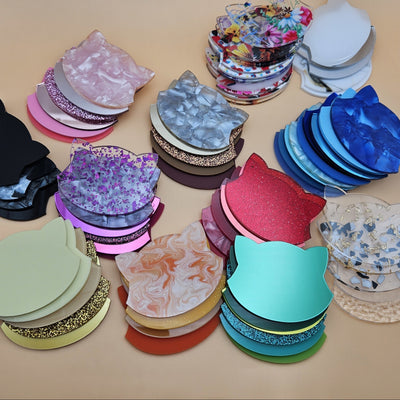
3mm cast acrylic is the standard for laser cut earrings. It cuts with a clean, polished edge on most CO2 lasers and weighs about 2.3g per square inch, keeping earrings light enough for all-day wear up to roughly 2 inches across. Glitter acrylic, mirror acrylic, and glow-in-the-dark acrylic all cut equally well and open up unique looks. Avoid extruded acrylic for earrings: it melts rather than vaporises, leaving rough edges that are difficult to finish.
-
What leatherette works best for earrings?
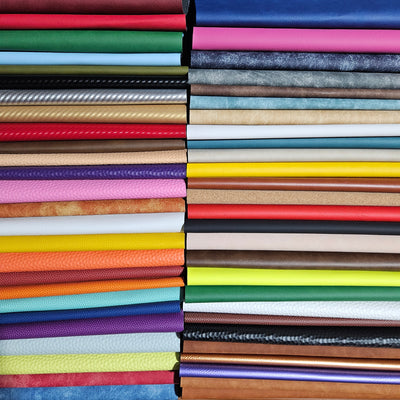
Glossy PU (polyurethane) leatherette is the top pick for laser cut earrings. It cuts cleanly at low power with no toxic fumes, is roughly 46 times lighter than acrylic, and holds engraved detail beautifully. If you want full-colour designs, choose sublimation-compatible gloss PU leatherette and press at 375–400°F for 60–90 seconds with a heat press. Never laser cut PVC leatherette: it releases chlorine gas. All leatherette sold by YXE Creations is PU-only.
-
How do I get a design to start cutting earrings?
The fastest route is the free earrings generator at mylasertools.com: it outputs a ready-to-cut SVG with correct hole placement in under a minute. You can also search Etsy for "earring SVG" files, use free software like Inkscape to draw your own shapes, or convert any PNG silhouette into a cuttable vector using Inkscape's Trace Bitmap tool. Most laser software (LightBurn, xTool Creative Space, LaserGRBL) imports SVG and DXF directly.
-
What size holes should laser cut earrings have?
For most earrings, cut a 2mm hole placed 4–5mm from the top edge of the design. This keeps enough material around the hole to prevent cracking under the weight of the piece. Pair it with a 20-gauge (0.8mm wire) jump ring at 4–5mm outer diameter. For larger or heavier statement earrings, move the hole 5–6mm from the edge for extra strength and use a heavier 18-gauge jump ring.
-
How heavy should handmade earrings be?
Keep earrings under 3g per side for comfortable all-day wear. Leatherette earrings typically weigh 0.1–0.5g per side, barely noticeable even in large statement shapes. A 2-inch acrylic earring at 3mm thickness weighs about 1.5–2g per side, well within the comfortable range. If a design pushes past 5g per side, switch to leatherette, use 2mm acrylic instead of 3mm, or hollow out the centre of the design to reduce weight without changing the silhouette.
-
Can I sublimate full-colour designs onto acrylic earrings?
Yes, but only on sublimation-specific acrylic. Sublimation-ready acrylic has a polyester coating that bonds with heat-press dye at 375–400°F for 60–90 seconds, giving you photographic-quality full-colour prints directly on the sheet. You cut the earring shapes after pressing, so one press can yield dozens of pairs. Standard cast acrylic does not accept sublimation: you need sublimation-rated sheets. YXE Creations stocks both clear and glitter sublimation acrylic.
-
What earring hooks are safe for sensitive ears?
Titanium Grade 23 and niobium are the only truly nickel-free earring hook metals. Both are safe for people with diagnosed nickel allergies. Surgical steel is often labelled hypoallergenic but contains 8–12% nickel and can still trigger reactions. Gold-filled hooks (14K gold layer over brass) are a popular mid-range option with low reaction rates. Avoid zinc-alloy or mystery-metal hooks for any earring you sell: they often contain high nickel levels and corrode quickly.
-
How do I make layered laser cut earrings?
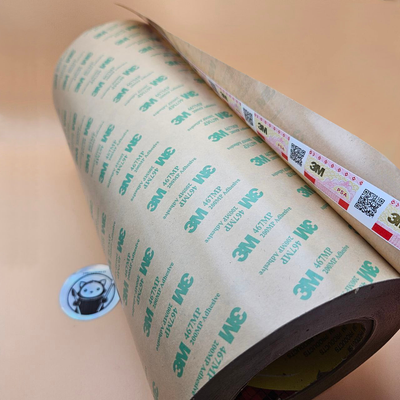
Layered earrings stack two or more cut shapes in different materials or colours. Cut each layer separately, then bond them with 3M tape for a clean, permanent flat bond with no cure time. For press-fit inlays (where one piece sits precisely inside a cutout in another), subtract 0.1–0.15mm from the inner piece on each side to account for laser kerf, giving a snug friction fit without tape. Popular combos: glitter acrylic base with leatherette top, contrasting two-tone acrylic layers, or acrylic front with plywood back.
-
How do I price handmade laser cut earrings?
A solid starting formula: (material cost + hardware cost) multiplied by 3 for craft markets, or by 5–6 for retail and online. Material cost for a 2-inch acrylic earring pair runs about $0.30–$0.80 depending on acrylic type. Jump rings and hooks add roughly $0.15–$0.40 per pair. That puts your cost floor at around $1.50–$3.60 per pair. Most handmade laser cut earrings sell for $10–$25 per pair at markets and $18–$45 online. Specialty materials like glow-in-the-dark, sublimation glitter, or hand-painted MDF support higher price points.