


Materials you should never laser cut (safety guide)
Updated Jun 2026TL;DR: PVC and vinyl release hydrochloric acid that destroys your laser and your lungs. Polycarbonate yellows, catches fire, and is a hospital trip. ABS produces cyanide compounds. Some "wood" sheets are coated with mystery resins that fume worse than vinyl. This article lists every material to avoid, why, and what to use instead.
The hard no list
These materials will hurt you, your laser, or both. Never put them under a laser.
- PVC (polyvinyl chloride) and anything containing PVC
- Vinyl (sign vinyl, vinyl tile, vinyl wallpaper, vinyl banners)
- Polycarbonate (Lexan, Makrolon, riot shields, safety glasses)
- ABS plastic
- PVB and most automotive interior plastics
- PTFE (Teflon)
- PVDC (Saran wrap and food films)
- Anything labelled "fire retardant treated" without a known specific treatment
- Beach finds and reclaimed wood with unknown history
Each one for a different reason.
PVC and vinyl release chlorine gas under laser heat. Chlorine plus moisture (always present in the air and on the cut) makes hydrochloric acid. The acid eats your laser tube, your rails, your gantry, your fume extractor, and your lungs. There is no safe air assist setting, no safe small piece, no safe single cut. It also produces dioxins, which are carcinogenic. Do not laser PVC or vinyl, ever.
A note before you read further. All laser cutting, on every material, requires active fume extraction. No laser cut on any material is safe without it. The materials below are the ones that should never go under the beam even with the best extraction. The universal extraction rule still applies to everything else (acrylic, wood, leatherette, paper, TruFlat, all of it).
Why each one is on the list
PVC and vinyl
The chlorine in PVC bonds with the laser heat and breaks down into hydrochloric acid and dioxins. Acid corrodes everything in the cutter and the fume path. Dioxins are some of the most toxic synthetic compounds known. Even a tiny strip melts your machine over time.
Common surprise PVCs: cheap "leather" upholstery, some craft foam, some plastic clipboards, faux-tile decor, banner material from sign shops, some shower curtain liners. If you do not know the plastic and it is white or coloured and feels slightly waxy, assume PVC and do not cut.
Polycarbonate (Lexan, Makrolon)
Polycarbonate looks similar to acrylic and people often confuse them. Under a CO2 laser, polycarbonate yellows badly, catches fire, and releases benzene-related fumes. The cut edge is never clean. There is no good reason to laser polycarbonate when acrylic exists.
Quick test: put a tiny offcut in water. Acrylic sinks slowly, polycarbonate sinks faster (it is denser). Or do a flame test on a corner: acrylic burns clean, polycarbonate gives off black smoke and self-extinguishes.
ABS
ABS contains a styrene component that produces hydrogen cyanide gas under laser heat. It also catches fire easily. ABS is the plastic in LEGO bricks, many 3D printed parts, and some craft sheets. Do not laser.
PTFE (Teflon)
Releases hydrogen fluoride gas, which is extremely toxic at low concentrations. PTFE is used in non-stick coatings, plumbers tape, and some fabric coatings. Avoid.
Mystery wood and reclaimed material
Reclaimed wood may have been pressure-treated, painted with lead paint, sealed with creosote, or impregnated with copper compounds. Pressure-treated lumber is full of preservatives that turn into nasty fumes. Marine ply often uses phenolic resins at high concentration that fume more aggressively than the urea formaldehyde used in standard MDF and baltic birch. Discount-store MDF and ply with no listed origin can use unknown binders, so the safe bet is sticking to suppliers who specify the binder system.
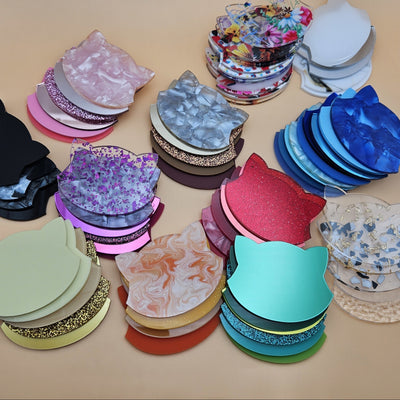
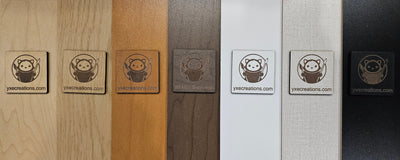
Stick to materials with a known supply chain. TruFlat, our cast acrylic, our PU leatherette, baltic birch from a known supplier. Anything you find in a dumpster or on the beach is a no.
Fire-retardant treated material
Fire retardants are usually halogenated compounds that release halide gases under laser heat. Same family of problem as PVC. Some "FR" treated MDF is sold for laser-friendly use, but if the treatment is not specifically called out as laser-safe, do not laser.
What about leatherette?
Faux leather is a minefield because the term covers two completely different materials.
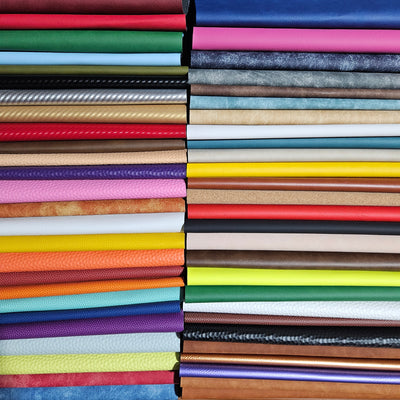
- PU (polyurethane) leatherette: safe to laser. Cuts cleanly, smells unpleasant but not toxic. This is what we sell.
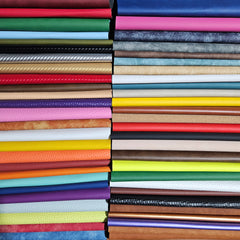
- PVC leatherette: same chlorine problem as any other PVC. Will hurt you and your laser.
Always check the listing. If a faux leather is sold for laser work, it is almost certainly PU. If you bought it generically from a fabric store, ask the supplier. If they do not know, do not cut.
What about "vegan leather"?
Vegan leather is a marketing term that covers PU, recycled microfibre, mushroom-based materials, cactus fibre, and (still) some PVC. Some are laser-safe, some are not. Always check the underlying material before cutting.
Safer alternatives

- PVC sign vinyl → Heat transfer vinyl labelled laser-safe (PU based), or paint masking with vinyl-cut removal.
- Vinyl tile → Cast acrylic with a glossy backing.
- Polycarbonate (for clarity) → Cast acrylic.
- ABS (for toughness) → Cast acrylic for laser parts, or print ABS on a 3D printer for non-laser parts.
- Faux leather of unknown type → PU leatherette from a laser supplier.
- Mystery reclaimed wood → TruFlat or baltic birch from a known supplier.
- Bamboo with mystery coating → Solid bamboo plywood from a known supplier.
How to test an unknown material
Sometimes you find a sheet of something with no label. Three tests in order:
- Read the label. If there is no label, that is information.
- Burn a tiny corner with a lighter or candle, outdoors, away from your laser. Watch how it burns. Acrylic burns clean blue, drips, no smoke. Wood burns orange with normal smoke. Polycarbonate self-extinguishes with black smoke. PVC smells sharply chemical and the smoke turns wet litmus paper red.
- Look up the material. If you cannot identify it confidently, do not laser it.
What to do if you cut something you should not have
If you cut a small piece of PVC or vinyl by accident:
- Stop immediately.
- Open the lid and let the fumes vent through your extractor for at least 20 minutes before re-using.
- Wipe down the bed and the inside of the cutter with a damp cloth.
- Watch the lens for haze on its next use. Replace if cloudy.
- Inspect rails and metal parts for corrosion in the following weeks.
If you cut a large piece or you have been cutting unknown material regularly:
- Power off the laser.
- Ventilate the room.
- Inspect the lens, mirrors and tube for deposits.
- Consider sending the cutter for service if the tube has spent any meaningful time exposed.
Frequently asked questions
Q: My friend says they laser PVC all the time and nothing bad happened. Are you sure? A: Yes. The acid attack is gradual and the harm is cumulative. By the time the rails are corroded or the lungs are irritated, the damage has been happening for months.
Q: Is there a laser that can safely cut PVC? A: Industrial CNC routers can cut PVC mechanically. No laser can cut PVC safely, regardless of wavelength, because the problem is chemistry not power.
Q: I want to laser printed t-shirt vinyl. Is it safe? A: Most printed HTV is PU based now and is safe to laser if the manufacturer says so. If the listing is silent, contact the manufacturer.
Q: What is the safest way to figure out an unknown material? A: Email the supplier. If they do not respond or do not know, do not cut.
Q: My MDF from the big-box store, is it safe to laser? A: Yes, with active fume extraction (same as every other laser-cut material). Generic MDF binders are urea formaldehyde, which lasers cleanly. For a better cut edge tone and crisper engraves, choose a laser-grade engineered panel like TruFlat. The extraction rule is the same either way.