

Pet Owner Crafts: Tapping Into the $100 Billion Pet Industry
Updated Jun 2026TL;DR: The US pet industry is a US$140 billion+ market and the laser-cut share of it is real, but most of the saturated categories (basic name tags, generic paw-print ornaments) are a race to the bottom on Etsy. This guide covers twelve product lines that still have room, with target buyer, recommended material and thickness, realistic price point, and where to sell. Keep what differentiates: material quality, design, and turnaround.
The real size of the opportunity
The headline number people throw around for the US pet industry is $100 billion. That figure is years old. According to the American Pet Products Association, total US pet spending in 2024 was approximately US$147 billion across food, supplies, vet care, services, and live animal purchases. Canada tracks a smaller but proportional spend per household. The combined North American market is well over $140 billion and growing in the low single digits annually.
The slice a laser-cut crafter can actually compete in is the "pet supplies, accessories, and non-medication OTC" segment, roughly 25 to 30 percent of total spend. Memorial products, gifts, and personalised accessories are a sub-slice of that. The total addressable market is large. What matters is whether your specific product can stand out, because most of the obvious categories are already crowded.
Before going further, a hard truth: search "personalized pet name keychain" on Etsy and you will see thousands of listings under $10. The market is not undiscovered. Differentiation has to come from somewhere other than the idea itself.
Where laser-cut pet products actually win
Three sources of differentiation hold up under price pressure.
Material quality. A 1/8 inch cast acrylic tag with crisp engrave beats a thin extruded acrylic tag every time. Buyers cannot articulate the difference, but they can feel it.
Design. Most personalised pet listings use the same five typefaces and the same generic paw silhouette. A clean original design carries a 30 to 60 percent premium.
Local turnaround. "Ships from Saskatoon, ready in two days" beats "ships from overseas in three weeks" for any gift purchase. Local Facebook groups and dog parks are still under-fished compared to Etsy.
Pick at least two of those three for any product you launch. One is not enough.
Twelve product lines worth building
The list below is shorter than the standard "20 laser products to sell" article you will find elsewhere. That is on purpose. Twenty is too many to start. Pick two or three from this list and build them well.
1. Engraved acrylic pet ID tags
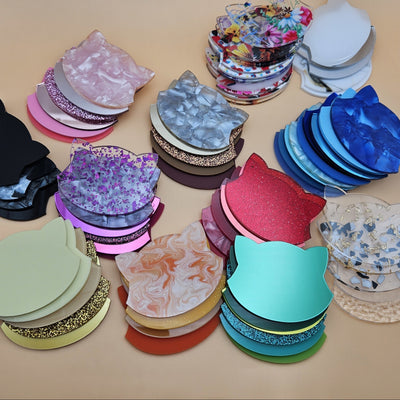
Target buyer: Every dog owner. Cat owners with outdoor cats. The volume category. Material: 3 mm cast acrylic, solid colour or two-tone laser-engravable. Why acrylic over metal: Acrylic engraves with a clean white or black fill, does not jingle as loudly against bowls, and lets you produce shaped tags (bone, paw, breed silhouette) that metal blanks cannot. Stainless and brass tags are a separate market dominated by big sellers and machine engraving. Price point: $8 to $16 retail. Acrylic material cost is a fraction of a dollar per tag. Where to sell: Local pet stores on consignment, dog parks, Facebook Marketplace for your city, your own Shopify or Etsy storefront. Etsy is saturated, so price for a local buyer, not a global search. Differentiation: Crisp engrave on cast acrylic, breed-specific shapes, two-tone laser-engravable for high-contrast names. Shop our acrylic sheets.
2. Layered engraved pet portraits
Target buyer: Gift buyers, especially adult kids buying for parents. Memorial customers. Material: 3 mm cast acrylic in two or three contrasting colours, layered. A 1/4 inch base with cut-out top layers also works. Process: Trace a photo to a clean vector silhouette. Cut the silhouette in dark acrylic. Cut a contrasting backing layer. Engrave name and dates on the backing where the cut-out shows through. Price point: $45 to $120 depending on size and layer count. Multi-pet portraits at the top of the range. Where to sell: Etsy works here because the average order value is high enough to absorb fees. Instagram ads to pet-owner accounts. Local pet photographer partnerships. Differentiation: Original silhouette work from the customer's photo, not a stock breed library.
3. Acrylic pet memorial pieces
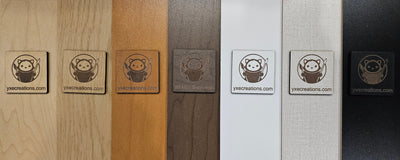
Target buyer: Grieving owners, usually within four to eight weeks of loss. Sensitive segment. Material: 3 mm to 6 mm cast acrylic. Frosted acrylic carries the right tone better than glossy. Walnut-tone TruFlat works as a base layer. Format options: Standing plaque with name and dates, hanging ornament for a memory tree, layered piece with paw print and quote. Price point: $35 to $95. Buyers in this segment do not haggle. Where to sell: Veterinary clinic partnerships are the single best channel. Offer a clinic a small commission and let them present the option at the right moment. Etsy works as a secondary channel. Differentiation: Material quality and presentation. A memorial in cheap acrylic delivered in a thank-you mailer is worse than no memorial. Branded packaging matters here more than anywhere else.
4. Collar charms and dangle tags
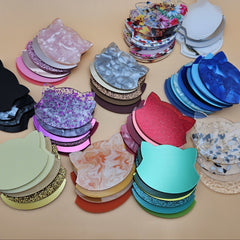
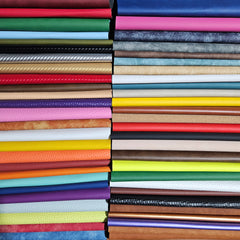
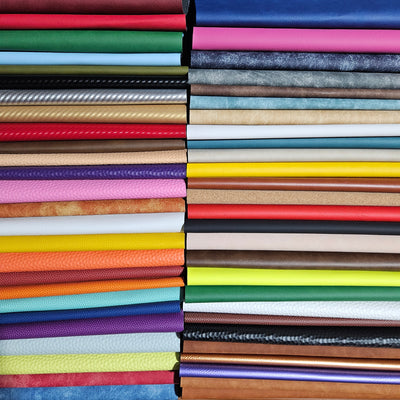
Target buyer: Owners who already have an ID tag and want something decorative. Birthday and gotcha-day buyers. Material: 3 mm cast acrylic or layered acrylic plus PU leatherette backing. Format: Shaped charms (bone, paw, heart, breed silhouette) with a small jump ring at the top. Often sold as 2-pack or seasonal sets. Price point: $6 to $14 per charm, $18 to $28 for a 3-piece seasonal set. Where to sell: Etsy in bundles, local pet boutiques, craft markets. Single charms struggle on Etsy because shipping eats the margin. Differentiation: Layered designs that incorporate both acrylic and PU leatherette backings. Leatherette gives a soft tactile contrast.
5. Pet bandana clips and slide tags
Target buyer: Dog owners who use bandanas (large segment), groomers offering finished looks. Material: 3 mm cast acrylic, or 1.2 mm to 1.4 mm PU leatherette for a softer feel. Format: Slot in the back so a bandana corner threads through. Engraved name on the front. Price point: $10 to $22. Where to sell: Pet boutiques and grooming salons on wholesale. Less crowded than the ID tag category. Differentiation: Match the bandana fabric being sold. Salon partnership where the clip ships with every groom-day bandana.
6. Pet feeding bowl stands
Target buyer: Larger dog owners (raised bowls reduce neck strain), pet wellness segment. Material: 1/4 inch (6 mm) TruFlat or laser-grade plywood for the base, with cut-outs sized to standard stainless bowls. Two-bowl design is the default. Price point: $45 to $95 depending on size, finish, and personalisation. Where to sell: Etsy, local pet stores, custom orders through Instagram. Higher AOV makes shipping costs reasonable. Differentiation: Sized to specific dog breeds (the standard width for a Labrador is wrong for a Dachshund). Personalised dog name engraved on the front.
7. Pet treat tins and labels
Target buyer: Pet bakery customers, gift buyers, pet-stay-cation hosts. Material: 3 mm acrylic labels with adhesive backing on existing tins, OR full TruFlat tin-style boxes with acrylic lid windows. Note: Avoid claiming "food-safe contact" for laser-cut surfaces. Cut materials are not food-contact rated and the laser leaves char residue. Position these as exterior labels or storage tin tops, not food-contact surfaces. Price point: $12 to $35. Where to sell: Pet bakery wholesale (great margin), Etsy for gift sets. Differentiation: Personalised pet name plus breed silhouette on a clear acrylic lid label.
8. Leash and collar wall organisers
Target buyer: Multi-pet households, new puppy owners, condo dwellers. Material: 1/4 inch (6 mm) TruFlat with engraved nameplate. Acrylic accent pieces for colour. Format: Wall-mounted board with three to six hooks and a treat-storage pocket. Personalised name plate is the upsell. Price point: $35 to $75. Where to sell: Etsy, custom orders via Instagram, local craft fairs. Differentiation: Personalised name on the plate (everyone does this, but execution varies), and clean modern aesthetic instead of rustic farmhouse.
9. Paw print keepsake plaques
Target buyer: New puppy or new kitten owners, memorial purchase, gotcha-day gift. Material: 3 mm acrylic standing piece, OR a TruFlat plaque with engraved paw outline and name. Format: Buyer sends a photo of the actual paw print on paper, you trace it to a vector and engrave it at scale. The "their actual paw, not a stock paw" is the entire selling point. Price point: $35 to $65. Where to sell: Etsy, Instagram, vet clinic referrals (especially as a memorial product). Differentiation: Custom tracing of the buyer's pet's actual paw. The premium over a stock paw silhouette is significant because buyers know which they are getting.
10. Bird, reptile, and small-pet niche pieces
Target buyer: Owners of less-common pets are an underserved segment. Etsy is full of dog and cat product. Bird, reptile, ferret, and rabbit owners are loyal repeat buyers when they find a maker who takes them seriously. Material: Acrylic for cage tags and accessories. TruFlat or acrylic for habitat decor. Examples: Engraved cage name plates (reptile and bird), basking platforms (reptile, with material warnings about temperature), ferret play-tunnel name signs, rabbit hay holder labels. Price point: Wide range, $8 to $45. Where to sell: Subreddit and Facebook communities for each species. Etsy is the secondary channel. Differentiation: Specificity. "Bearded dragon basking platform with name engrave" outsells a generic "reptile sign" by a wide margin in this segment.
11. Pet event signage and yard signs
Target buyer: New pet announcements, gotcha-day parties, pet-themed weddings (yes, that exists), shelter and rescue events. Material: Acrylic for indoor, weather-rated acrylic for outdoor. TruFlat for indoor-only. Format: Standing acrylic signs with names, cake-table pieces, large outdoor yard pieces for events. Price point: $25 to $120 depending on size and complexity. Where to sell: Etsy for the personalised ones, Instagram event-photographer referrals, local party rental partnerships. Differentiation: Same as wedding signage but in the pet aesthetic. Less competition than wedding because the category is younger.
12. Business signage for pet-industry clients
Target buyer: Local groomers, dog walkers, pet daycares, veterinary clinics. B2B. Material: Acrylic for indoor signage, often with standoffs. TruFlat for indoor wood-look signs and shelf talkers. Examples: Hours-of-operation signs, service menus, "Welcome [Pet Name]" daycare cubby tags, kennel name plates. Price point: $40 for a single sign, $200 to $600 for a starter package (entry sign, menu, ten cubby tags, breed chart). Where to sell: Direct outreach to local pet businesses. Drop in with a sample. This is the highest-AOV channel on this list and the least visible to other crafters. Differentiation: Local presence, fast turnaround, willingness to handle re-orders as the business grows.
A note on materials that are NOT on this list
A few categories show up in other "pet products to laser" articles that are not on this list, and the reasons matter.
Pet beds with name plates. The bed itself is fabric or foam. The laser-cut piece is a small wood or acrylic tag attached to the bed. The category exists but the laser-cut value-add is small, so margins are thin.
Cat trees and large pet furniture. Wood furniture at scale needs joinery, sanding, finishing, and a finished-furniture grade material. A laser cut alone does not produce a deliverable here.
Reflective safety collars. Reflective material on a laser bed needs to be tested carefully (some reflective surfaces bounce the beam and damage the lens). This is not a beginner category.
LED-backlit memorials. Real product, but the electronics, power supply, and certification work pushes this out of a pure laser shop.
Pricing realistically
The old "Etsy crafter math" of 60 to 80 percent profit margin only works if you ignore the time you spent designing, photographing, listing, packaging, and posting on social media. Real margin after time, fees, and shipping on most laser products in the $10 to $30 retail range is closer to 30 to 45 percent of revenue.
The path to a sustainable business is not chasing 80 percent margin on $8 keychains. It is moving up the ladder:
- Volume tier ($8 to $20 retail): Treat as a marketing piece, not your main income. Useful for craft show cash flow and for getting your shop name in front of buyers who later commission portraits.
- Mid tier ($25 to $75 retail): Layered portraits, memorial pieces, feeding stands, leash organisers. This is where most full-time laser-pet businesses make their money.
- High tier ($100+ retail): Custom commissions, multi-pet portraits, full B2B signage packages. Lower volume, much higher margin per hour.
For a complete pricing walk-through that accounts for material, time, fees, and platform-specific costs, see our how to price acrylic crafts for Etsy or craft shows guide.
Picking the right thickness
Most pet products land in three thickness ranges.
- 3 mm cast acrylic (1/8 inch). ID tags, charms, layered portraits, slim signage. The single most useful thickness in this category.
- 6 mm cast acrylic (1/4 inch). Standing memorials, sturdy signs, bowl stand windows, B2B signage with standoffs.
- 6 mm to 12 mm TruFlat or laser-grade plywood. Bowl stands, leash organisers, business signage, plaques. Adds the warmth of wood without the cost of solid timber.
For a deeper breakdown of which thickness suits which structural job, see the acrylic thickness guide.
Where to sell, in order
Most new sellers default to Etsy because it is the loudest channel. Etsy is the most saturated and the worst place to start. A better priority order:
- Your local market. Facebook groups for your city, local pet stores, vet clinic partnerships, dog park flyers. Lowest competition, highest margin per sale.
- Direct social media. Instagram and TikTok for visual products. Build a small following before listing anywhere.
- Your own Shopify or store. Captures repeat buyers, builds your email list, owns the customer relationship.
- Etsy. Volume channel and brand recognition booster, but treat as supplementary.
- Wholesale. Local pet boutiques and grooming salons. Lower per-unit price, higher per-order volume, repeat orders.
The crafters who treat Etsy as channel one usually struggle. The crafters who treat Etsy as channel three or four after building local presence usually do well.
Frequently asked questions
Q: Is the pet market really worth chasing if it is already saturated? A: The whole market is large, the popular categories (basic name tags, generic paw ornaments) are saturated, and the under-served categories (memorial pieces with quality, niche-species products, local B2B signage) are not. Pick a category where the average listing is mediocre and beat it on quality.
Q: Should I start with acrylic or wood-style products? A: Cast acrylic is the more versatile starter material. Cleaner engraves, more colour options, faster cuts, easier shipping. Wood-style products (TruFlat) are a stronger differentiator in mid-tier home decor but require thicker cuts and more finishing work.
Q: Are laser-cut surfaces food-safe for treat tins or cake toppers? A: No. Laser-cut edges retain residue from the cutting process and most acrylics are not food-contact rated regardless. Position these products as exterior decoration, label, or lid surface only. Customers can use a separate food-contact lining inside the tin.
Q: How do I price against the $4 Etsy listings selling the same idea? A: Do not. Customers buying $4 tags are not your customers. Price for the buyer who wants a quality piece in two days from a local maker, not for the buyer chasing the cheapest possible result.
Q: What is the single highest-margin category on this list? A: Custom layered pet portraits and B2B signage packages. Both have low competition, defensible custom design work, and average order values that absorb fees comfortably.
Q: Can I run all of these on a small diode laser? A: 3 mm acrylic cuts cleanly on a 20 W or larger diode. 6 mm acrylic is at the edge of practical for a 20 W diode and works well on a 40 W diode or any CO2. TruFlat and plywood at 6 mm need at least a 20 W diode for clean cuts.
What to read next
- How to price acrylic crafts for Etsy or craft shows
- Acrylic thickness guide
- Shop our acrylic sheets (cast acrylic, multiple colours)
- Shop our PU leatherette (for charm backings, soft-touch accents)