

CO₂ vs. Diode vs. Fiber: Acrylic Cutting Guide
Updated Jun 2026A Master Guide to Laser Technology
Since the first ruby laser fired in 1960, coherent light has evolved from a laboratory curiosity into the backbone of modern manufacturing. For makers, designers, and engineers, the "magic" of a laser lies in its ability to focus massive energy onto a microscopic point. However, not all light is created equal. To master materials like acrylic, you must understand the physics of the three primary laser species.
1. The Diode Laser: The Semiconductor Disruptor
The diode laser is the "transistor" of the cutting world. It uses semi-conductive materials to convert electricity directly into light, much like a high-powered LED.
- The Physics: Most hobbyist diodes operate in the 450nm (blue) spectrum. This wavelength is easily absorbed by dark pigments but passes right through transparent or white surfaces.
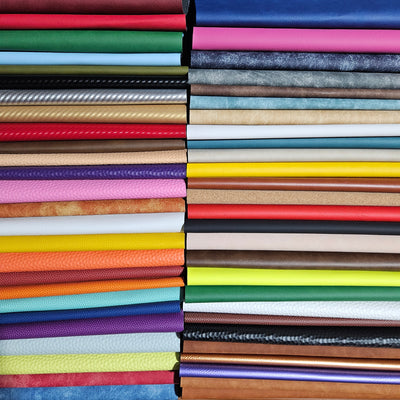
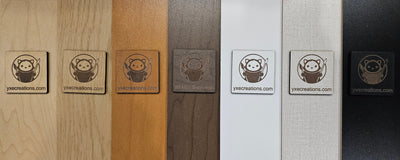
- Best For: Diode lasers excel at organic materials like wood, leather, and cardboard. They are also highly effective at "marking" stainless steel if a ceramic coating is applied first.
- The Acrylic Catch: You can cut dark opaque acrylics (black, dark blue, deep red) up to about 6mm with enough passes, but clear acrylic is functionally invisible to a blue diode. The light simply passes through the sheet and hits the honeycombed bed below.
- The Pro View: While slow, diodes are exceptionally long-lived and require no mirrors or water cooling, making them the perfect entry point for desktop creators.
2. The CO2 Laser: The Acrylic Specialist
The CO2 laser is a gas-state system that produces a beam in the far-infrared spectrum (10,600nm). This wavelength is "long," meaning it is absorbed by almost all non-metallic materials, including glass and clear plastic.
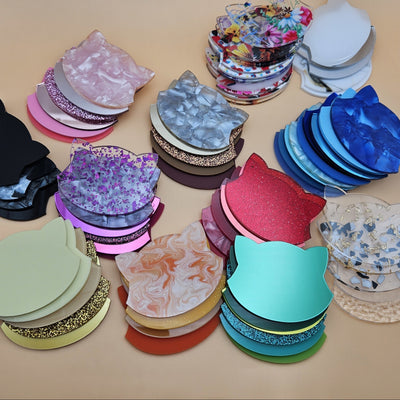
- The Flame-Polished Edge: This is the CO2laser's superpower. As the infrared beam hits acrylic, it vaporizes the plastic instantly. A small amount of the material melts just before it vanishes, leaving behind a perfectly smooth, "flame-polished" edge that requires no sanding.
- Cast vs. Extruded: CO2 lasers reveal the hidden nature of acrylic. Cast acrylic turns a frosty, brilliant white when engraved, making it ideal for signage. Extruded acrylic remains mostly clear when engraved and is better suited for simple cut-out parts.
- Safety Warning: While CO2 lasers handle most plastics, never introduce PVC or Vinyl. The thermal breakdown of these materials releases hydrogen chloride gas, which turns into hydrochloric acid inside your machine, pitting your expensive optics and destroying your lungs.
3. The Fiber Laser: The Industrial Heavyweight
Fiber lasers represent the pinnacle of power and efficiency. They use an optical fiber "doped" with rare-earth elements like ytterbium to amplify light.
- The Wavelength: Operating at 1,064nm, the fiber laser occupies a "sweet spot" that is highly absorbed by metals but reflected or ignored by most organics.
- Metal Mastery: A 1,000-watt fiber laser can slice through stainless steel like a hot knife through butter. It is up to five times more energy-efficient than a CO2 laser of equivalent power.
- Acrylic Performance: Fiber lasers are generally a poor choice for acrylic. Because the wavelength doesn't "couple" well with the plastic, the beam tends to melt and boil the edges rather than cleanly vaporizing them. In the world of acrylic fabrication, a $50,000 fiber laser will often perform worse than a $3,000 CO2 machine.
Comparison: The Material Compatibility Matrix
| Material | Diode (Blue) | CO2 (Infrared) | Fiber (Near-Infrared) |
| Clear Acrylic | No (Invisible) | Best (Polished Cut) | No (Melts/Fails) |
| Dark Acrylic | Good (Thin sheets) | Best (Polished Cut) | Poor (Melts) |
| Plywood | Excellent | Excellent | No (Fire Hazard) |
| Stainless Steel | Marking only | Engraving only* | Best (Clean Cut) |
| Anodized Aluminum | Excellent Marking | Excellent Marking | Excellent Cutting |
*Requires specialized oxygen-assist or ceramic marking compounds.
Specialized Light: UV Lasers
For ultra-niche applications, other players occasionally enter the shop:
-
UV Lasers (355nm): Often called "Cold Lasers," they break the atomic bonds of a material rather than burning it. They can engrave delicate medical plastics and glass with zero heat damage.
Final Verdict: Which Beam Wins?
If your business or hobby revolves around acrylic, the CO2 laser is the undisputed king. It provides the most versatility across thicknesses and the highest aesthetic quality.
If you are a metal-focused shop where acrylic is only an occasional secondary need, the Fiber laser is your workhorse. For the casual hobbyist working primarily with dark materials and wood, the Diode laser offers the best "bang for your buck" without the complexity of water pumps and glass tubes.
Are you planning to focus more on the decorative "frosted" look of cast acrylic, or are you looking for the structural precision of extruded sheets?