


3M Double-Sided Adhesive for Laser Cutting: Which One Should You Choose?
Updated Oct 2026If you create laser-cut crafts, especially acrylic, wood, leatherette, or layered designs choosing the right double-sided adhesive makes a massive difference. The wrong adhesive can melt, leave sticky edges, or fail to hold layers securely. The right one makes assembly faster, cleaner, and more professional.
In this guide, we’ll break down the most popular 3M adhesive types used in laser cutting and identify which works best for your specific projects.
Why 3M Adhesive is the Industry Standard
Laser crafters and small shops prefer 3M transfer tapes because they are:
- Extremely thin: Layers sit perfectly flush and flat.
- Heat-resistant: They won't "ooze" or char excessively under the laser.
- Strong on small parts: Even tiny lettering stays put.
- Easy to "pre-apply": You can cut the material and adhesive simultaneously.
- Reliable: No inconsistent quality issues often found in generic tapes.
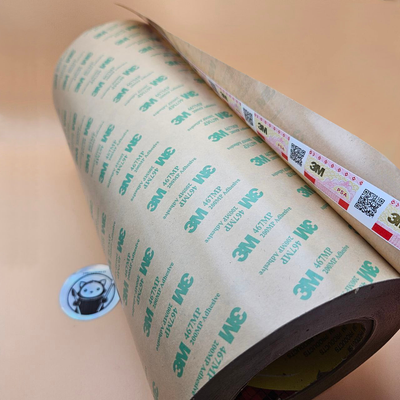
For example, the technical specifications for 3M 467MP confirm it is designed for high-surface-energy (HSE) plastics like acrylic and metal, handling high temperatures and humidity without losing its bond.
The 3 Main Types of 3M Adhesive for Laser Cutting
1. Thin Adhesive (Best for Acrylic Layering)
If you are making layered acrylic signs, earrings, keychains, or delicate details, thin adhesive is the gold standard.
Recommended: 3M 467MP Double‑Sided Adhesive Sheets

3M 467MP sheets as we stock them. The thinnest of the three, for flush acrylic layers.
Why it works:
- Ultra-thin (approx. 0.058 mm): Eliminates visible gaps between layers.
- Precision: Perfect for tiny details where "glue squeeze-out" would ruin the look.
- Material Match: Specifically designed for bonding acrylic (PMMA), aluminum, and polycarbonate.
Best for:
- Layered acrylic signs and earrings
- Small acrylic lettering
- Detailed laser-cut filigree
2. Thicker Adhesive (Best for Thicker Acrylic Layering)
For projects involving thicker sheets a thicker adhesive provides the necessary "bite."
Recommended Example: 3M 468MP 5mil Adhesive Sheets

3M 468MP: the same family as 467MP with about twice the adhesive thickness.
Why it’s different:
- Double the thickness: (approx. 0.13 mm), it’s nearly twice as thick as 467MP.
- Stronger initial tack: Grips better on heavier materials.
Best for:
- Multi-layer finished signs
- 6mm acrylic signs
3. Extra-Strong Adhesive (Best for "Difficult" Materials)
Some materials are notoriously hard to bond. If you are working with low-surface-energy (LSE) materials, you need a specialized adhesive.
Recommended: 3M 300LSE Double‑Sided Adhesive Sheets

3M 300LSE, the high-tack grade for slick, low-surface-energy surfaces.
Why it’s different:
- Maximum Grip: Designed specifically for low-surface-energy plastics and powder-coated paints.
- Versatility: Works where standard 467/468MP might peel off.
- Heat Resistance: Maintains a high bond even in tougher environments.
Best for:
- Powder-coated metal or painted wood, back side of mirror acrylic
- Polypropylene or "slick" plastics
- Rubber-like materials
- Structural projects that require a permanent, heavy-duty hold
Summary: Which One Should You Choose?
| Material / Goal | Recommended 3M Adhesive |
| Acrylic, thin layers, jewelry | 467MP (Thinnest bond) |
| Thick Acrylic, Bigger Signage | 468MP (Better Grip) |
| Powder-coated or "Difficult" plastics | 300LSE (Maximum strength) |
Pro Tip: The Technical Edge for a Permanent Bond
- The 72-Hour Rule: While these tapes have a "high initial tack" (they feel sticky immediately), the bond actually grows stronger over time as the adhesive "wets out" into the microscopic pores of your material. Maximum bond strength is typically reached 72 hours after application.
-
Surface Energy Matters:
- 467MP and 468MP are optimized for High Surface Energy (HSE) materials like acrylic, glass, and bare metals.
- 300LSE is a specialist for Low Surface Energy (LSE) materials. If you are sticking a patch to a powder-coated tumbler, a polypropylene plastic bin, or "slick" synthetic leather, 300LSE is the only one engineered to bite into those surfaces.
- Watch the Temperature: 3M recommends applying these adhesives at temperatures above 50°F (10°C). If you’re working in a cold garage or workshop during a Saskatoon winter, be sure to bring your materials inside to reach room temperature before applying the tape. If the material is too cold, the adhesive can't "flow" properly, leading to a weaker bond.
- Cleanliness is Key: Even the strongest adhesive will fail if it's sticking to dust or finger oils.